Reframed
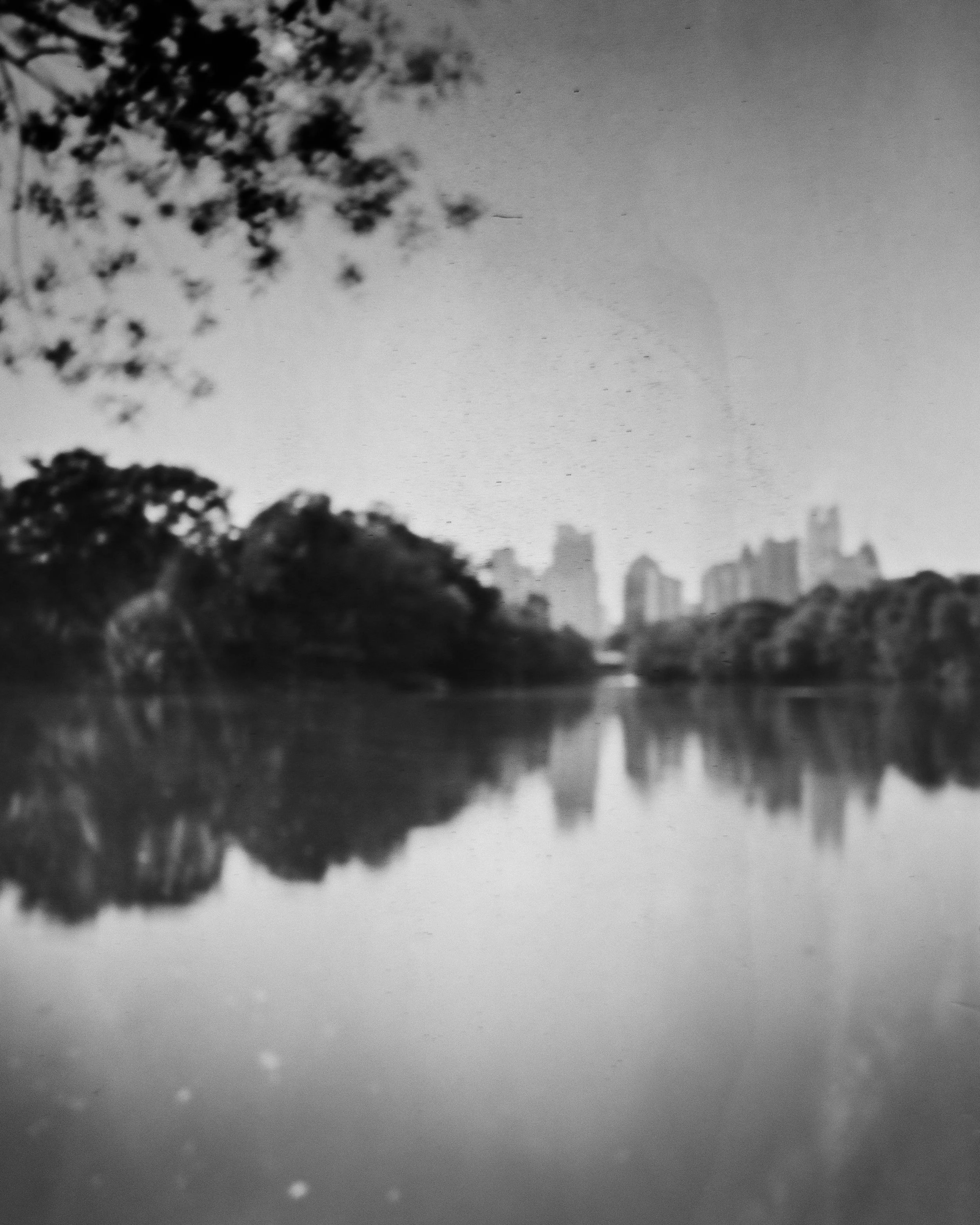
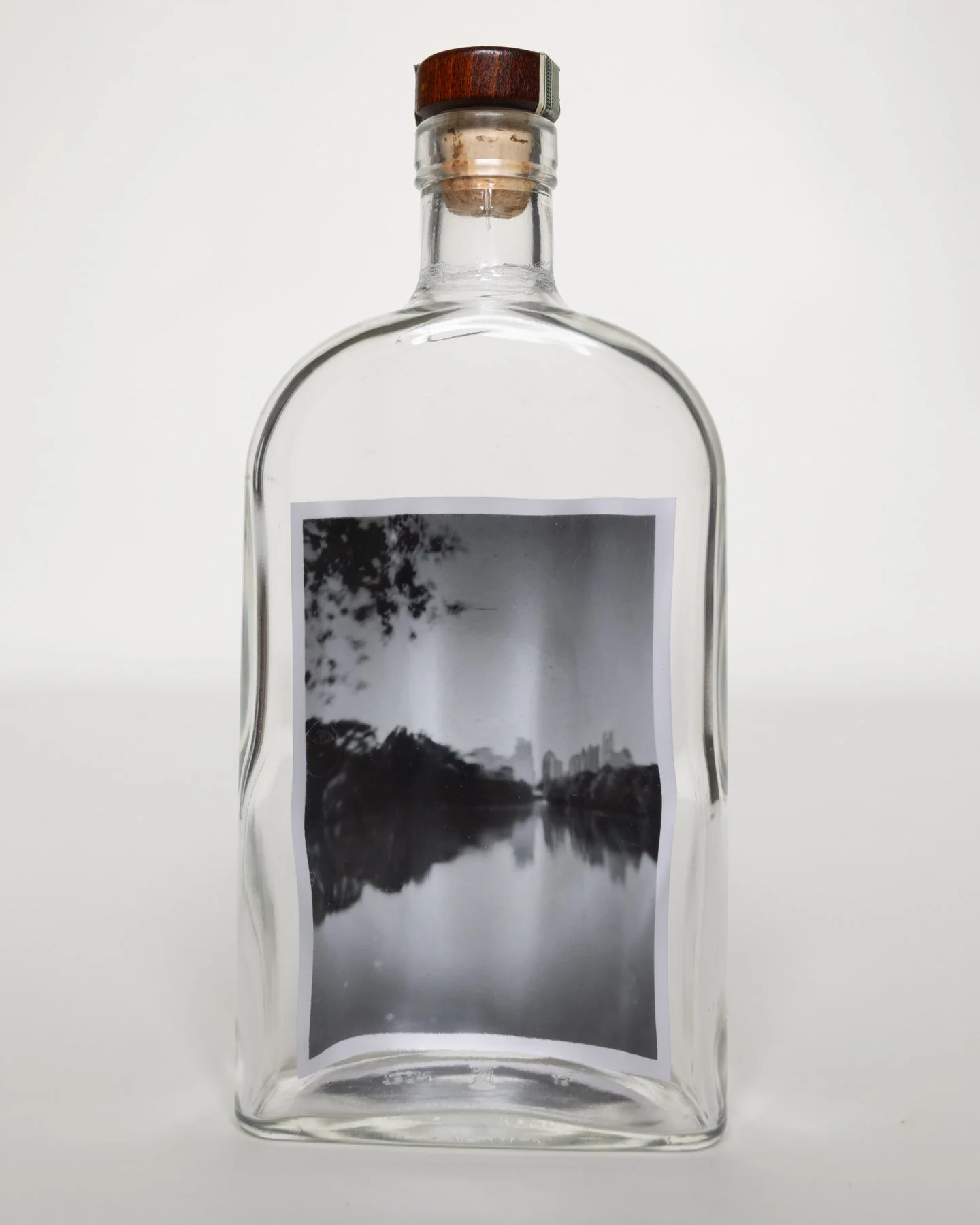
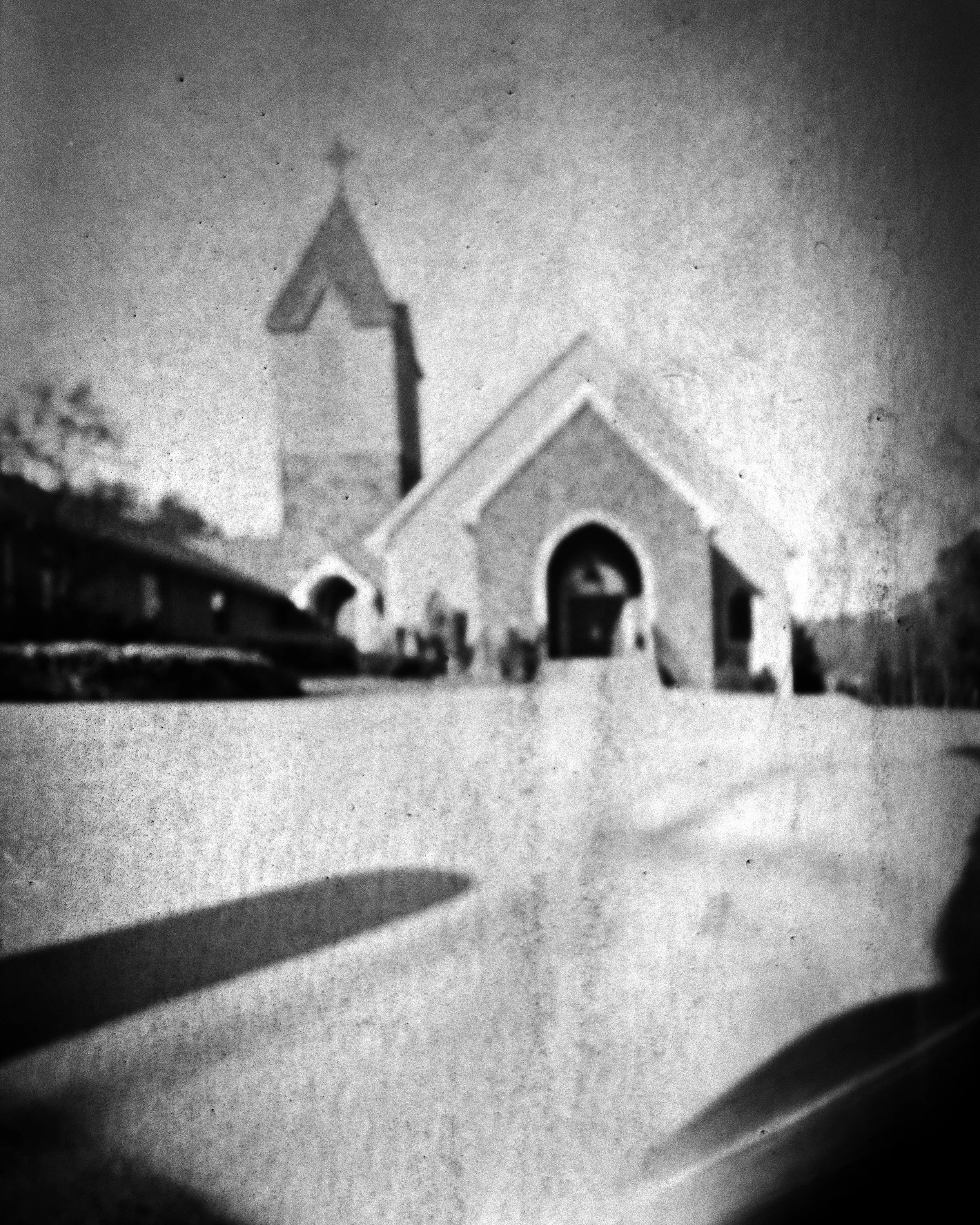
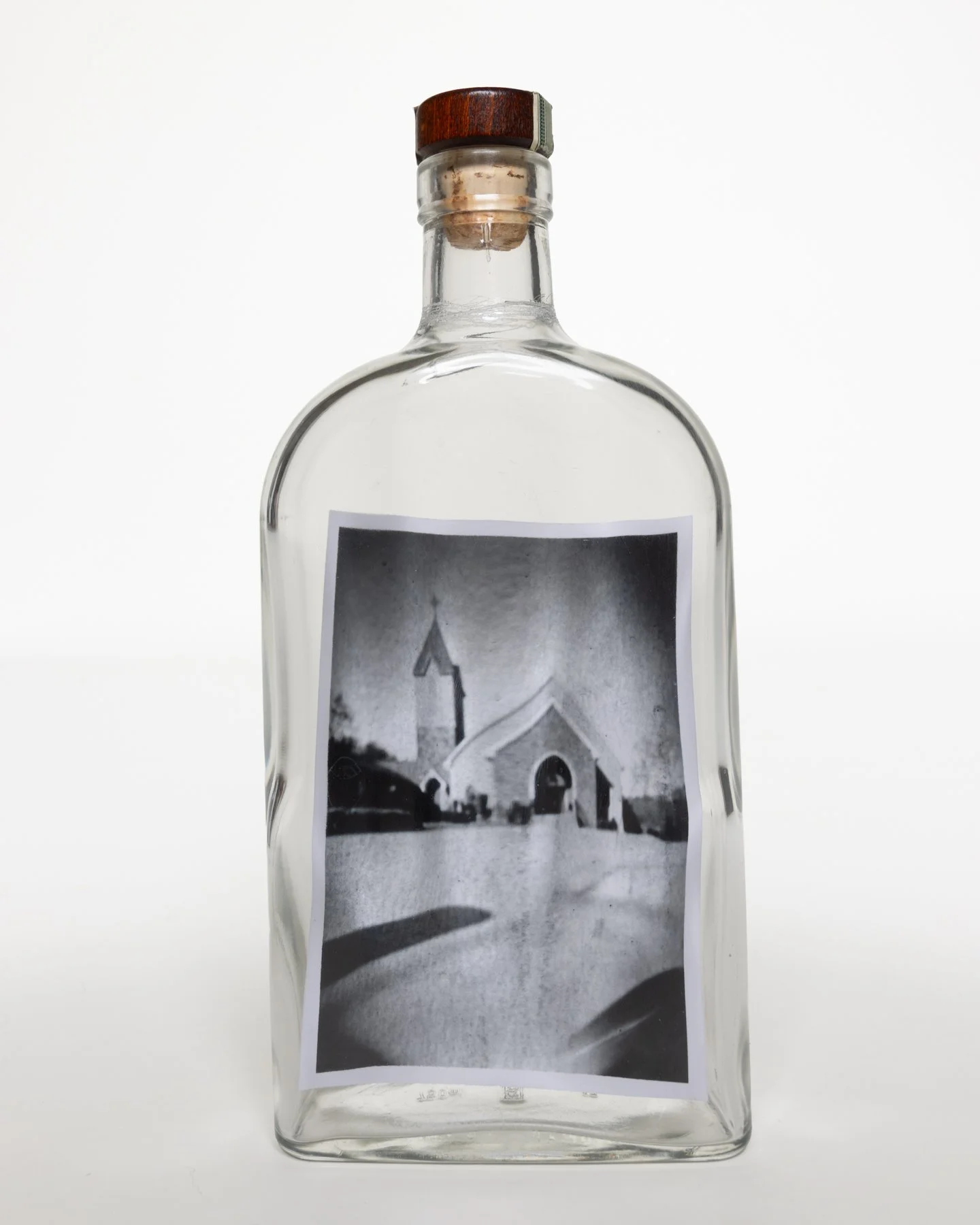
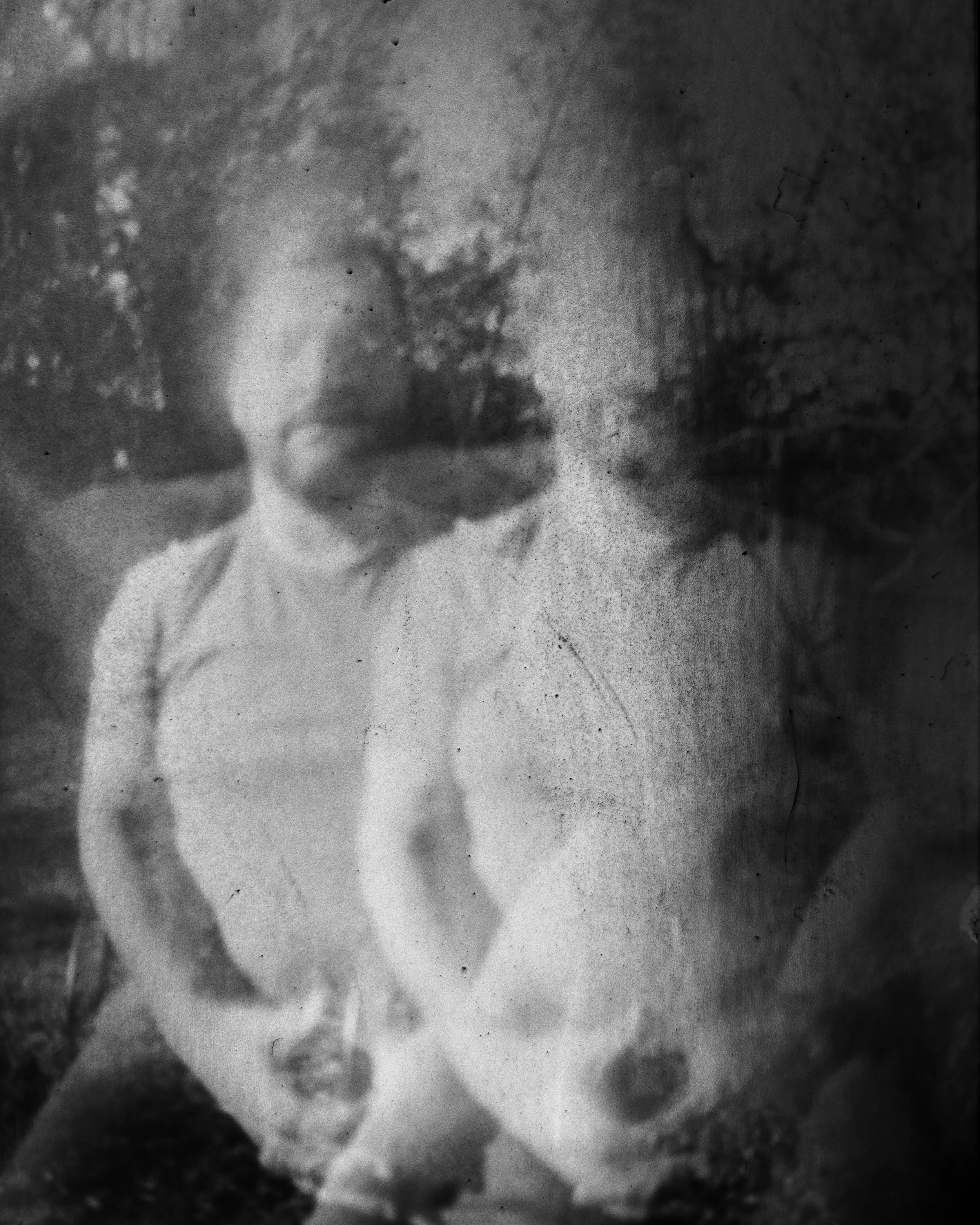
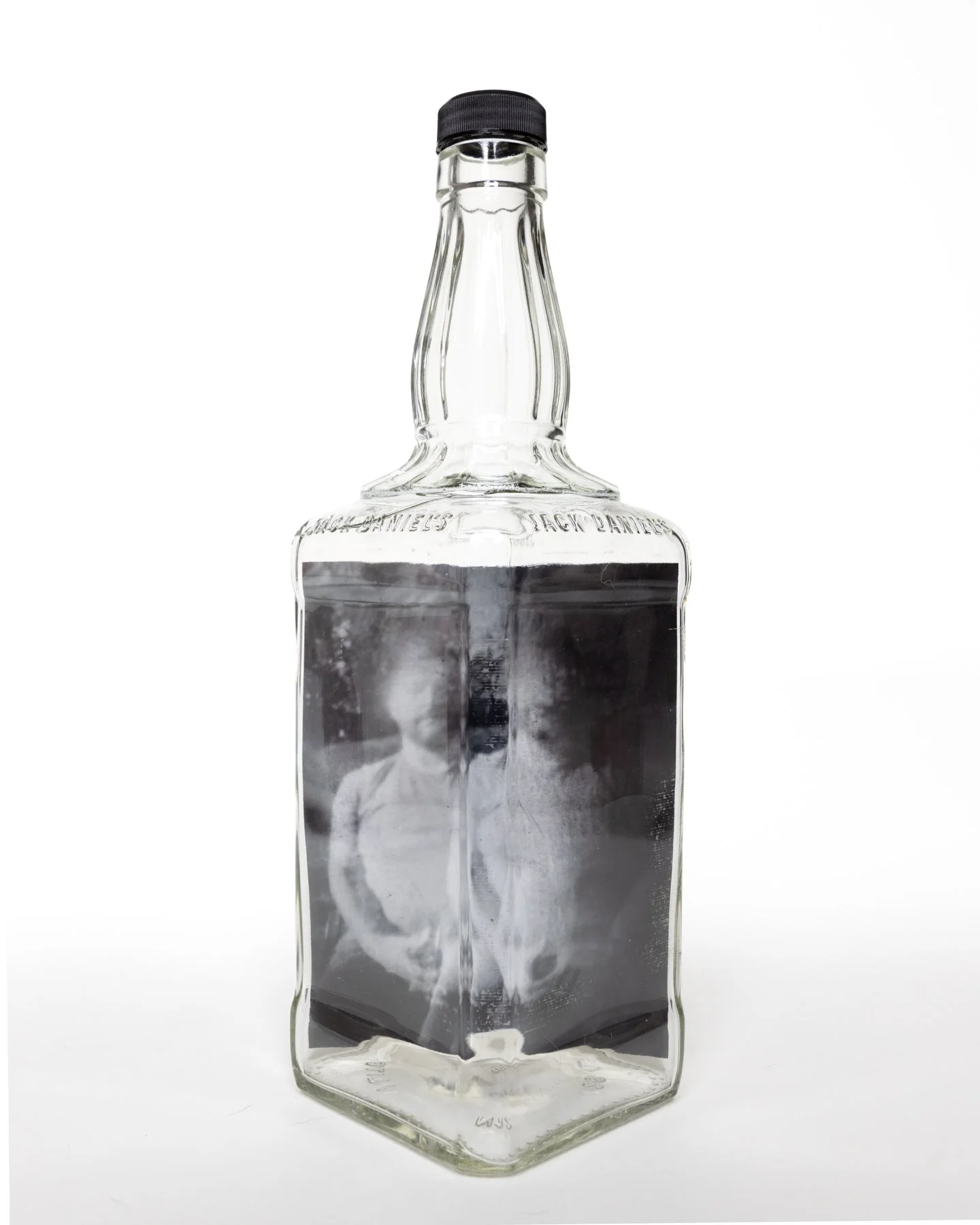
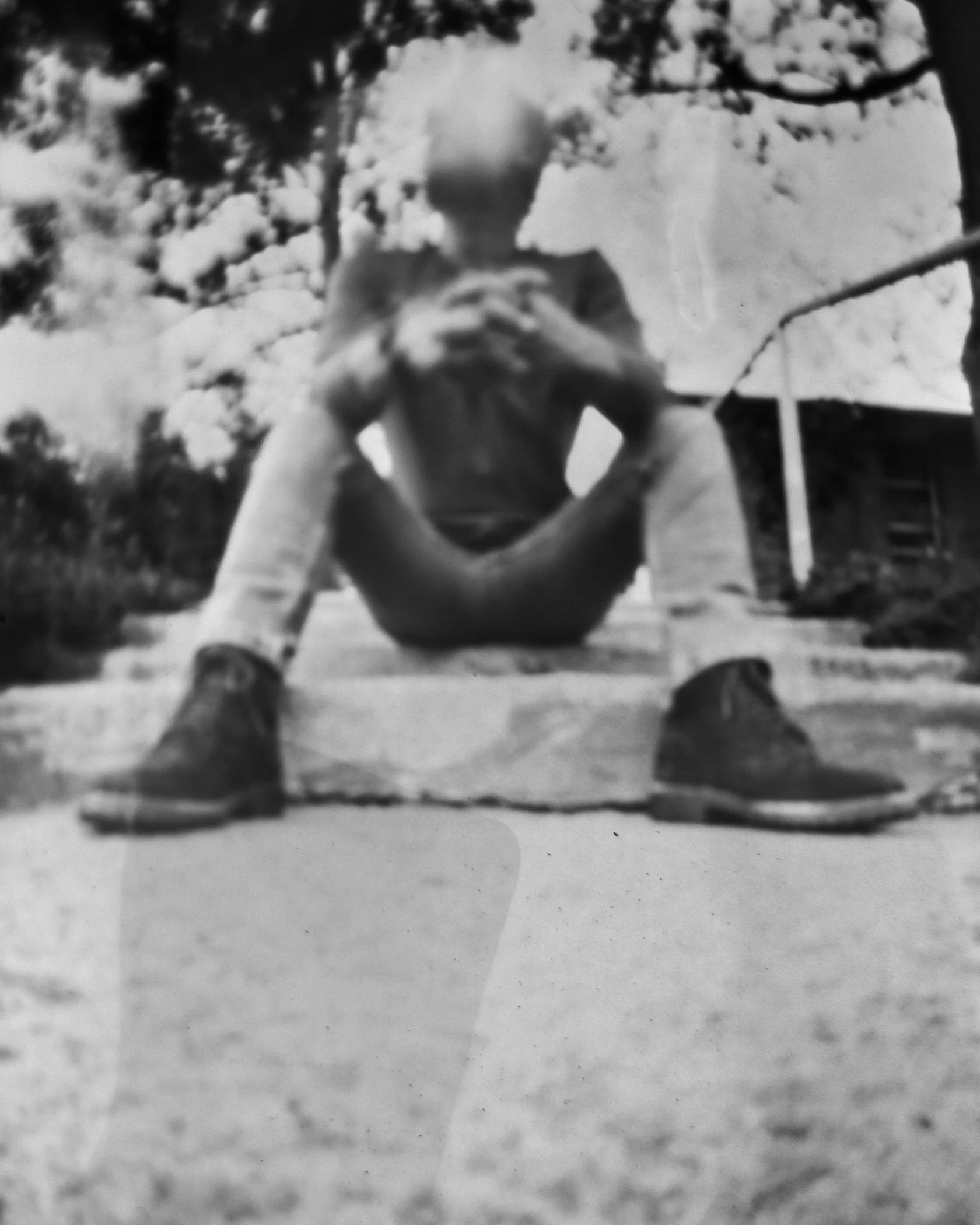
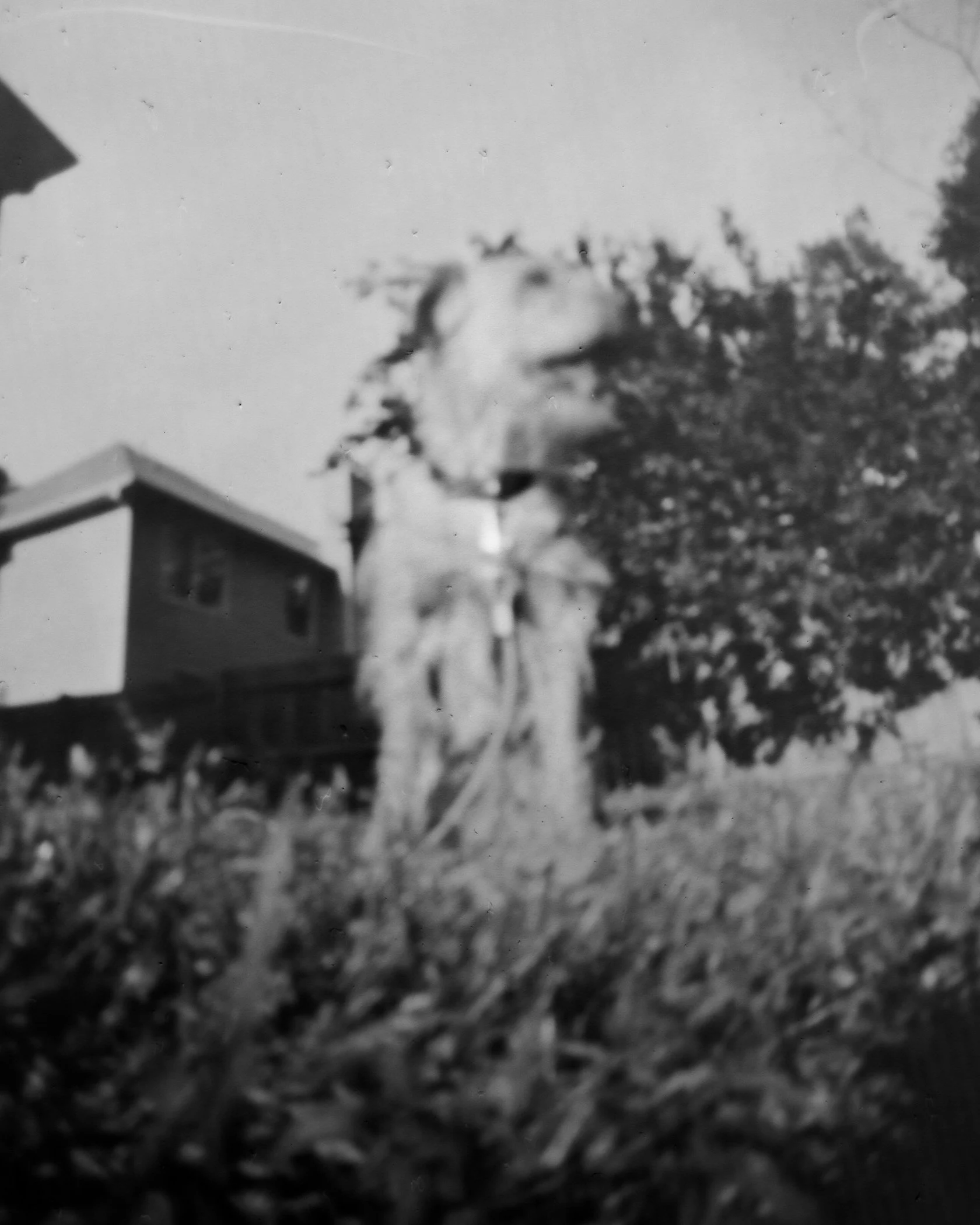
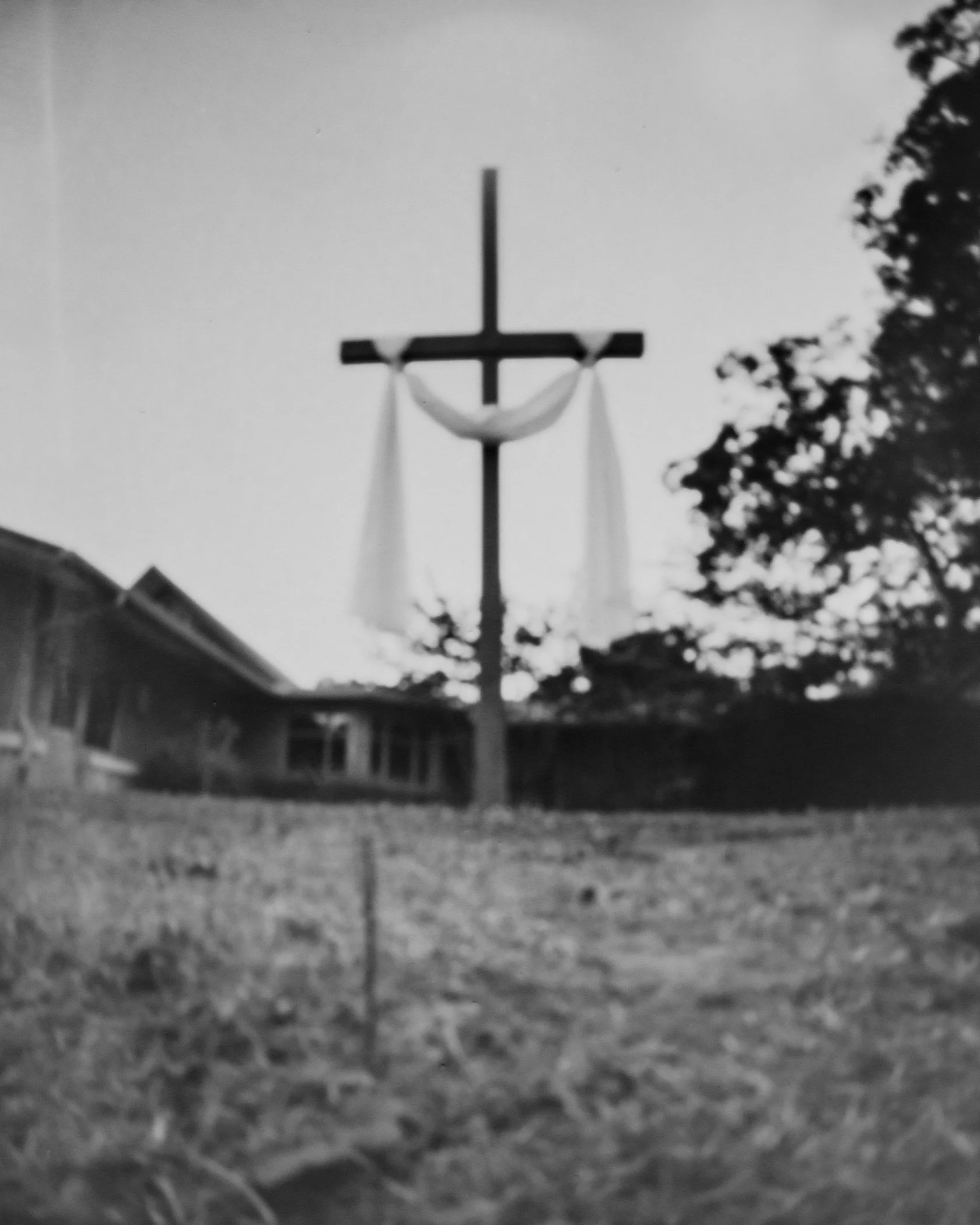
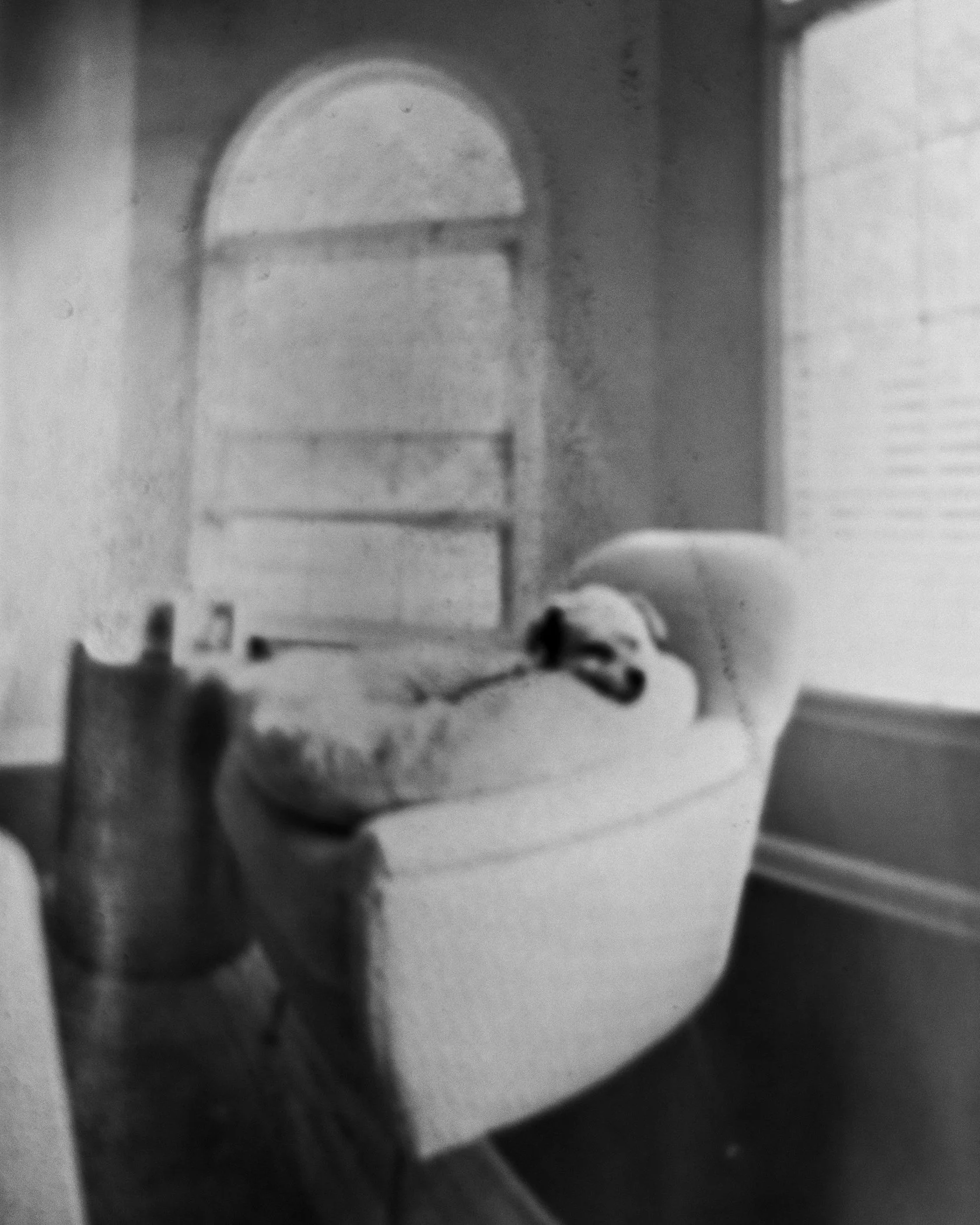
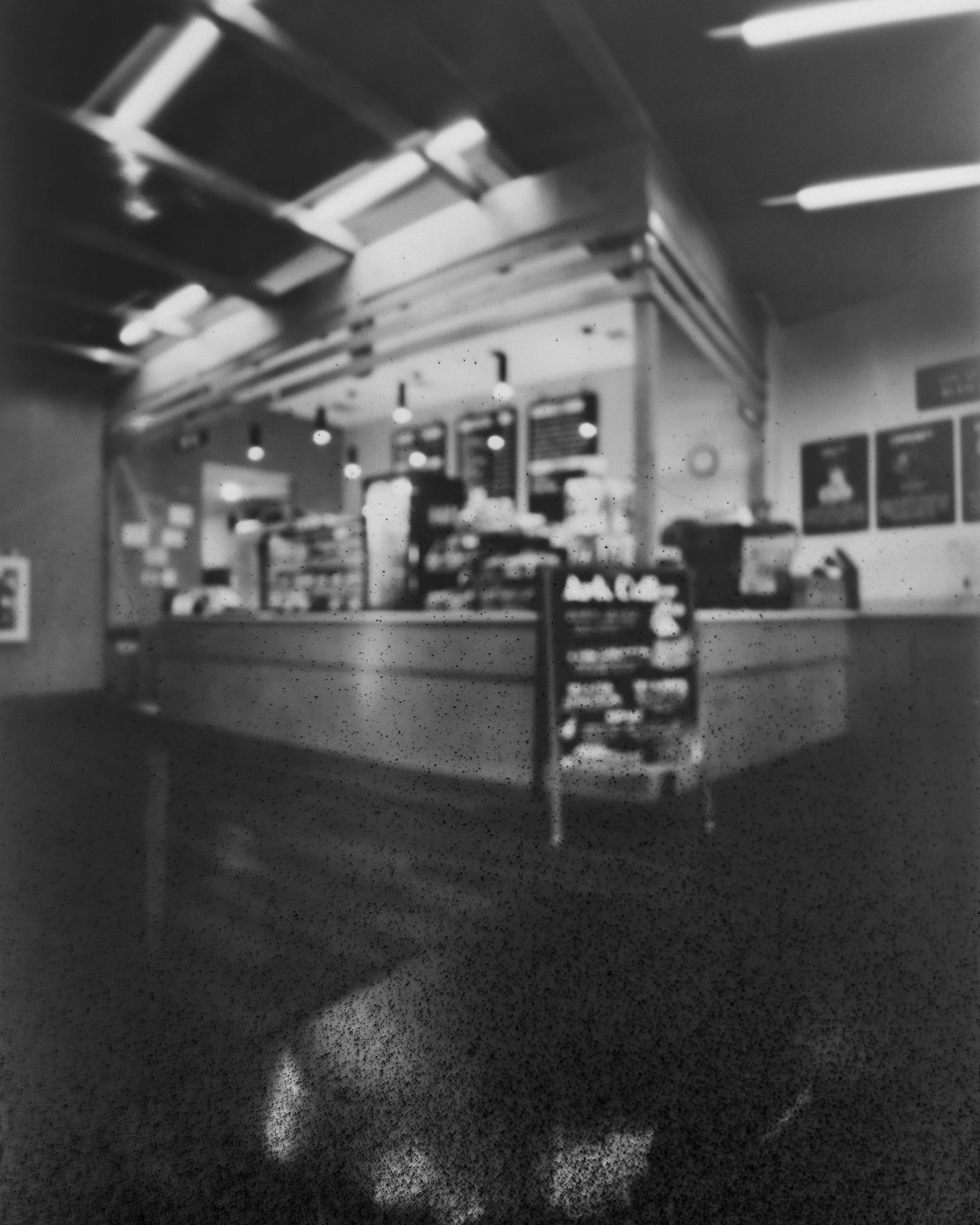
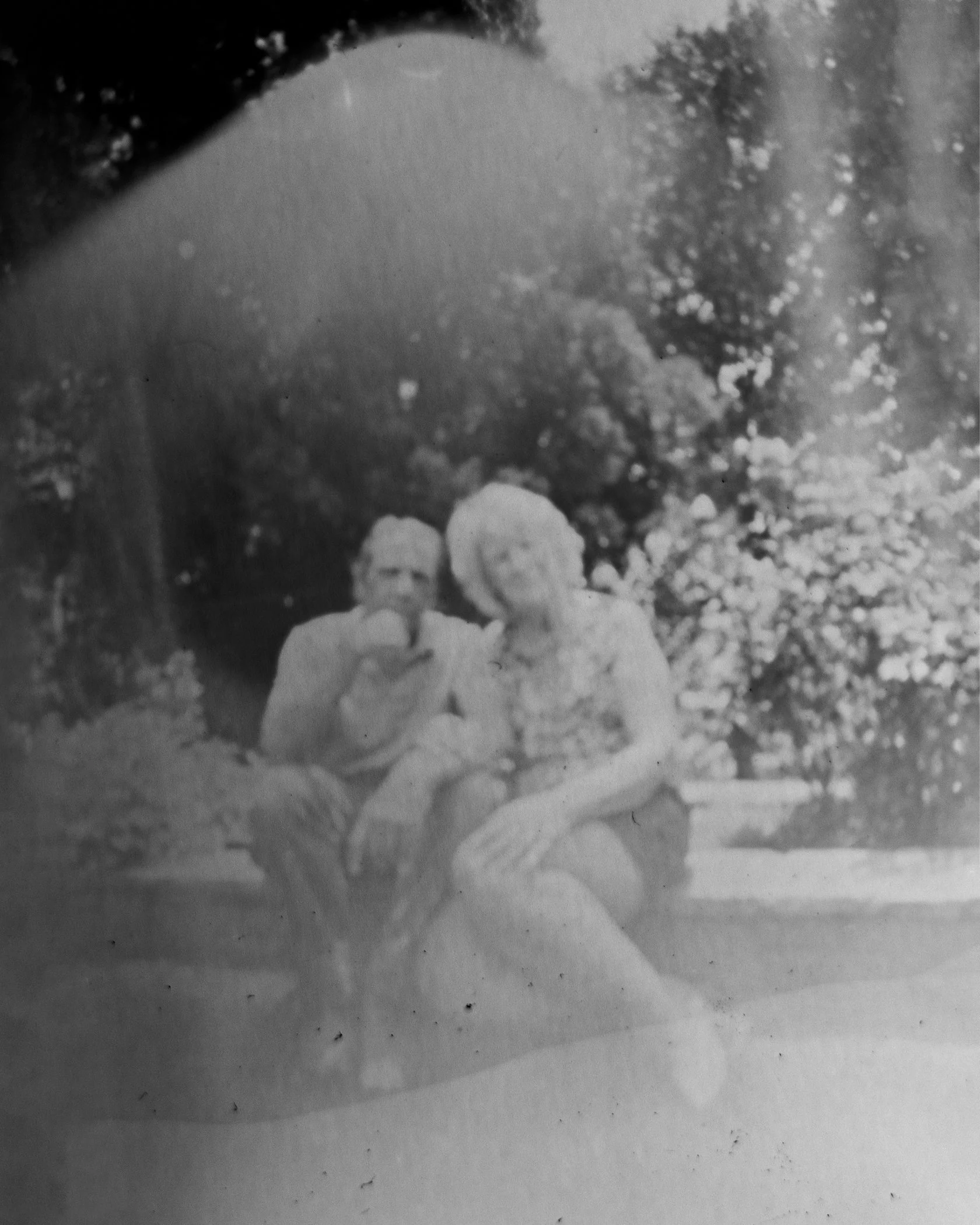
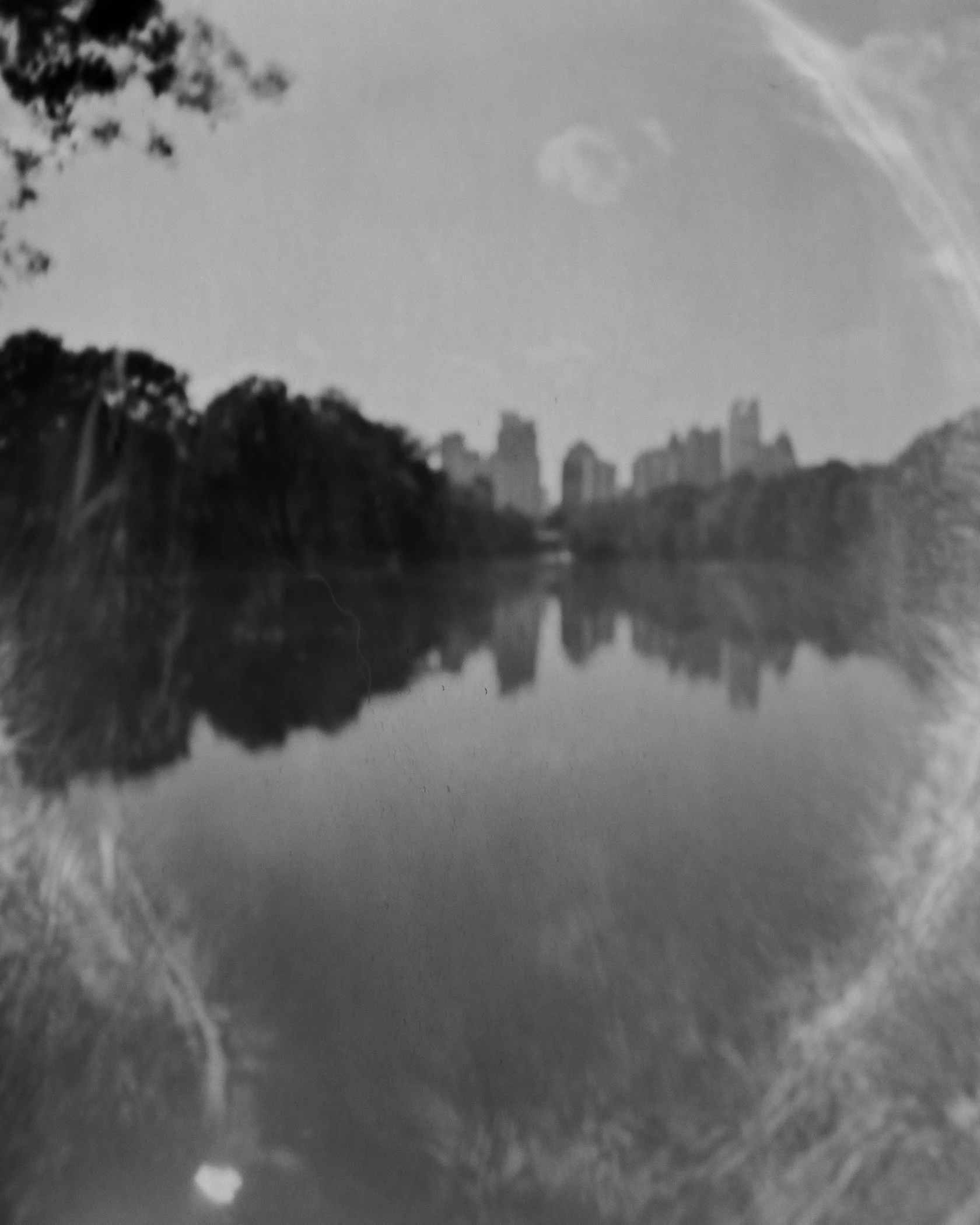
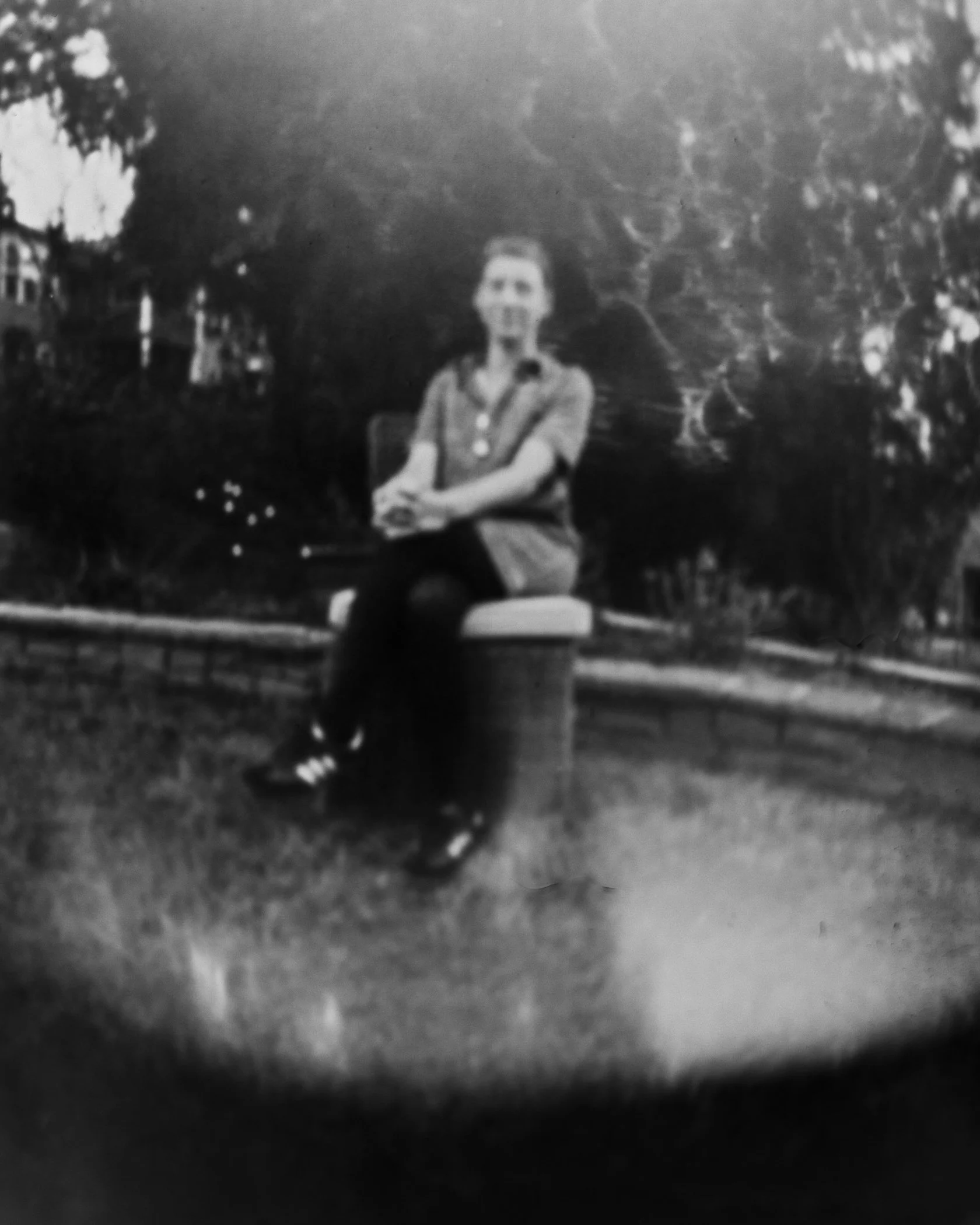
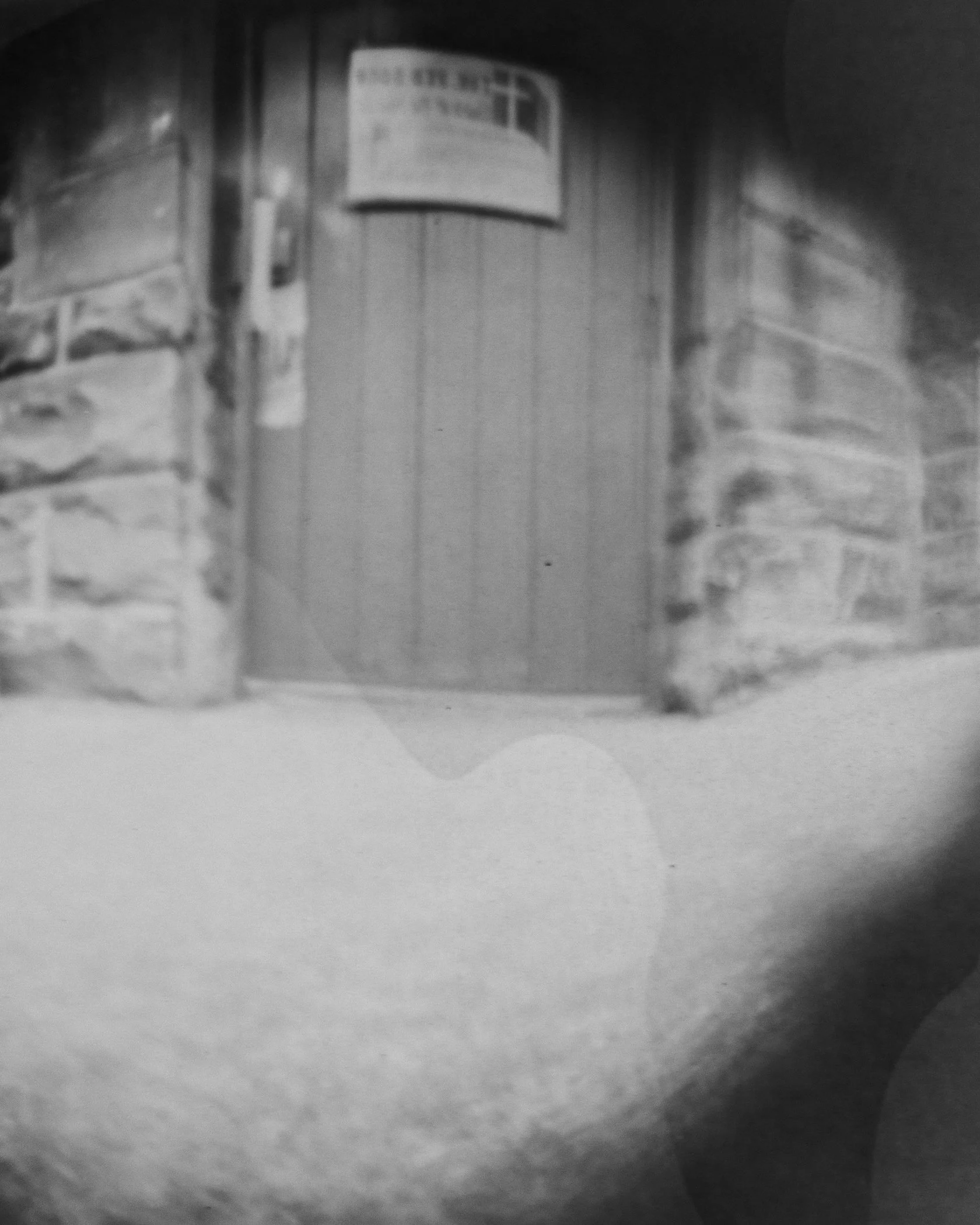
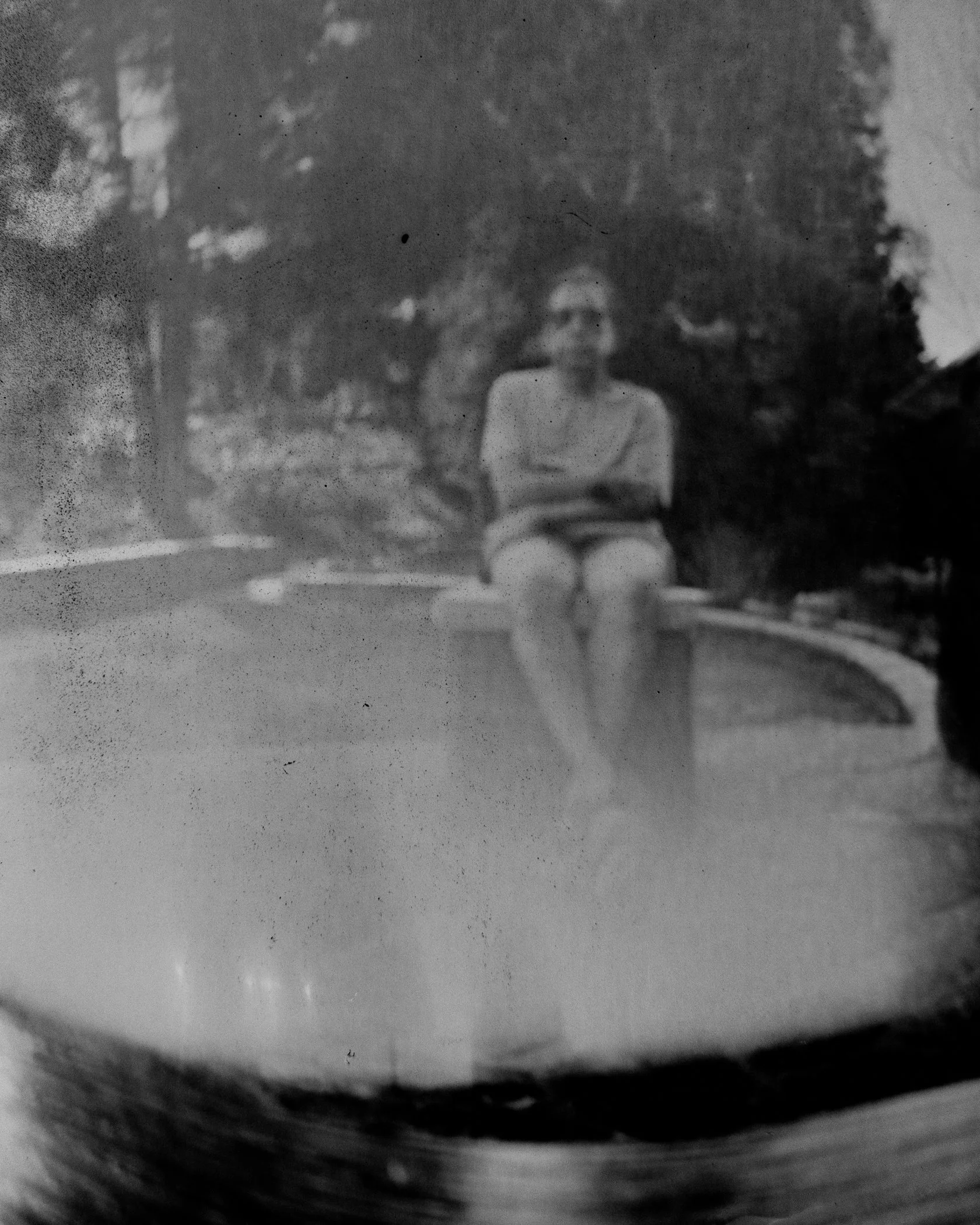
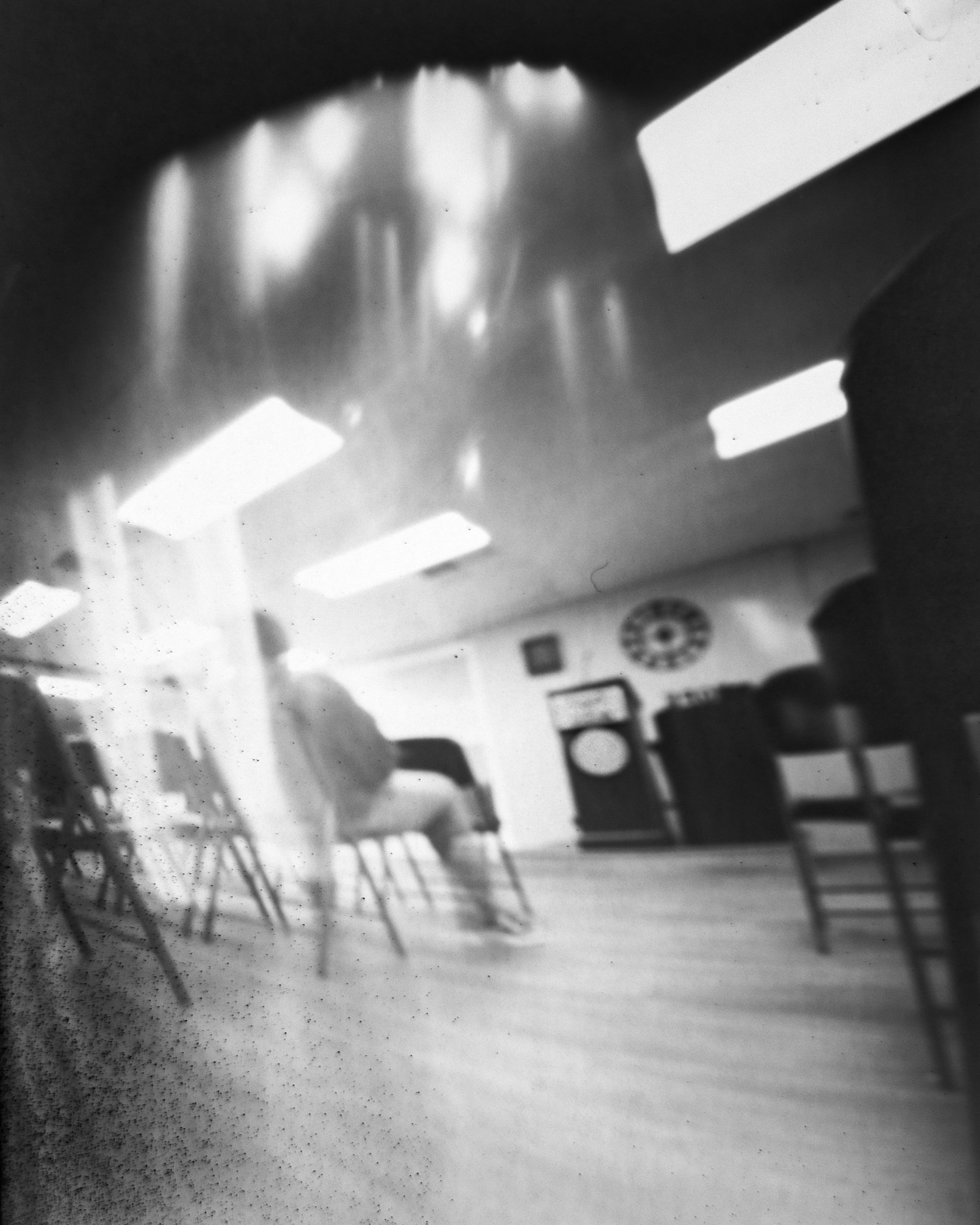
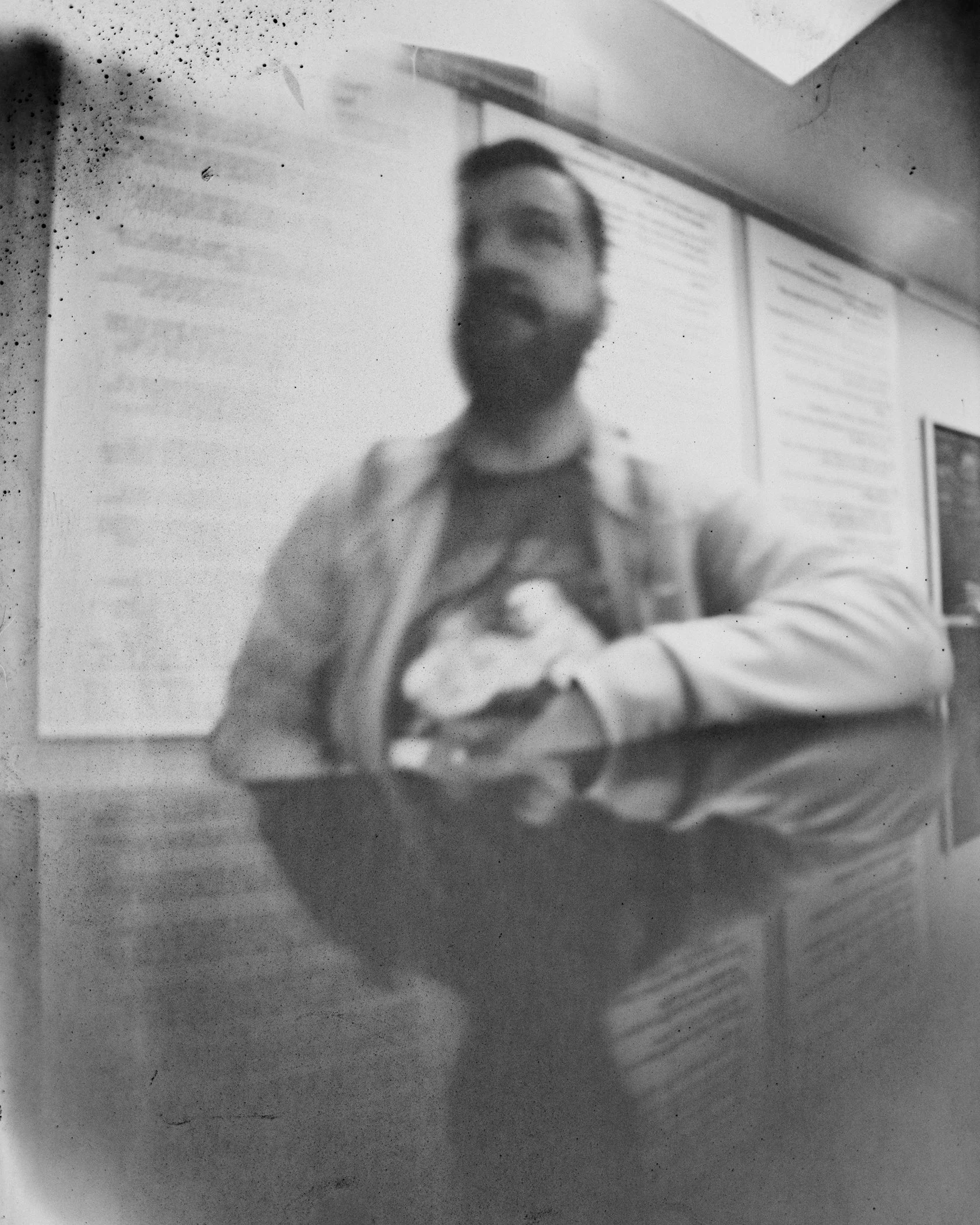
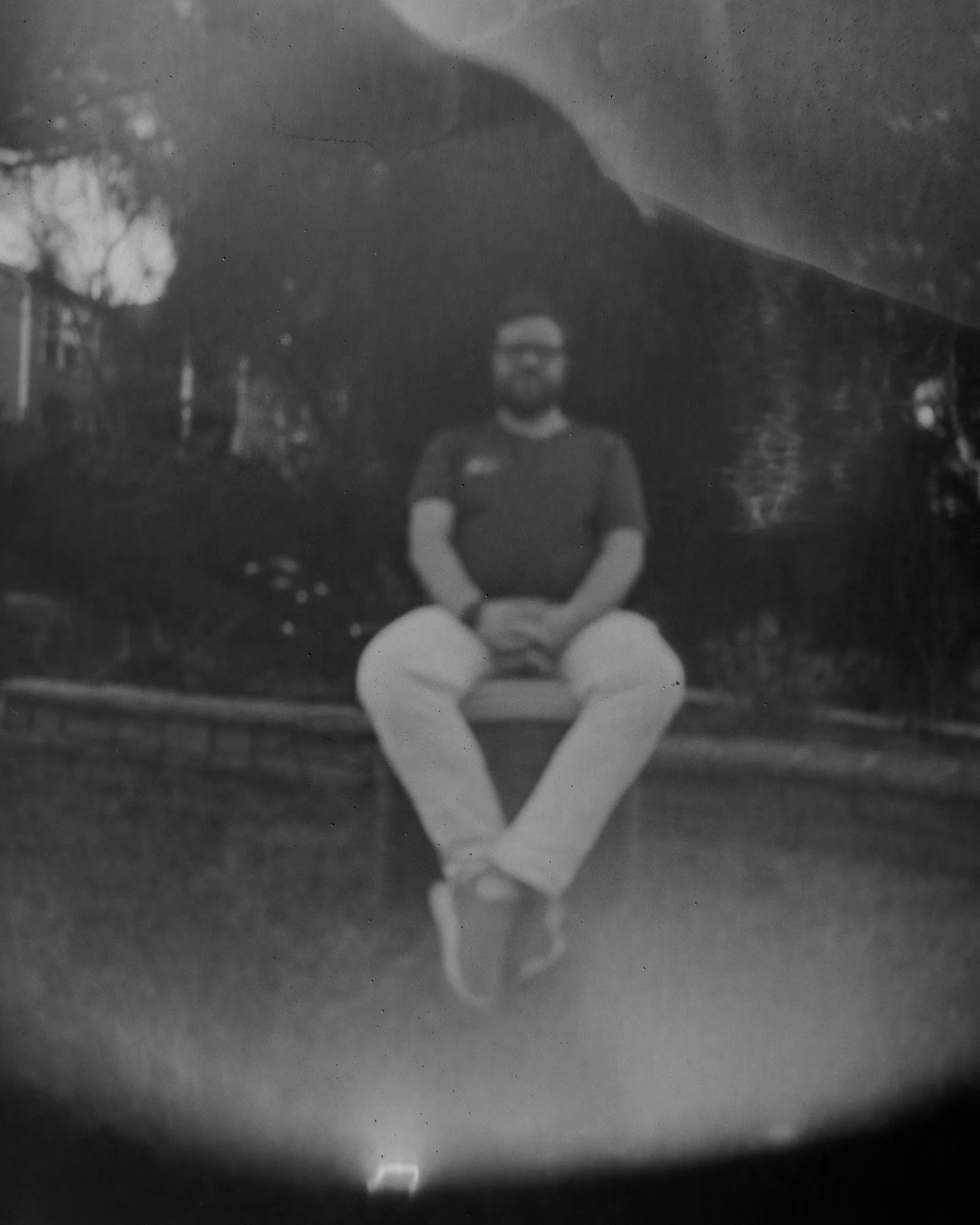
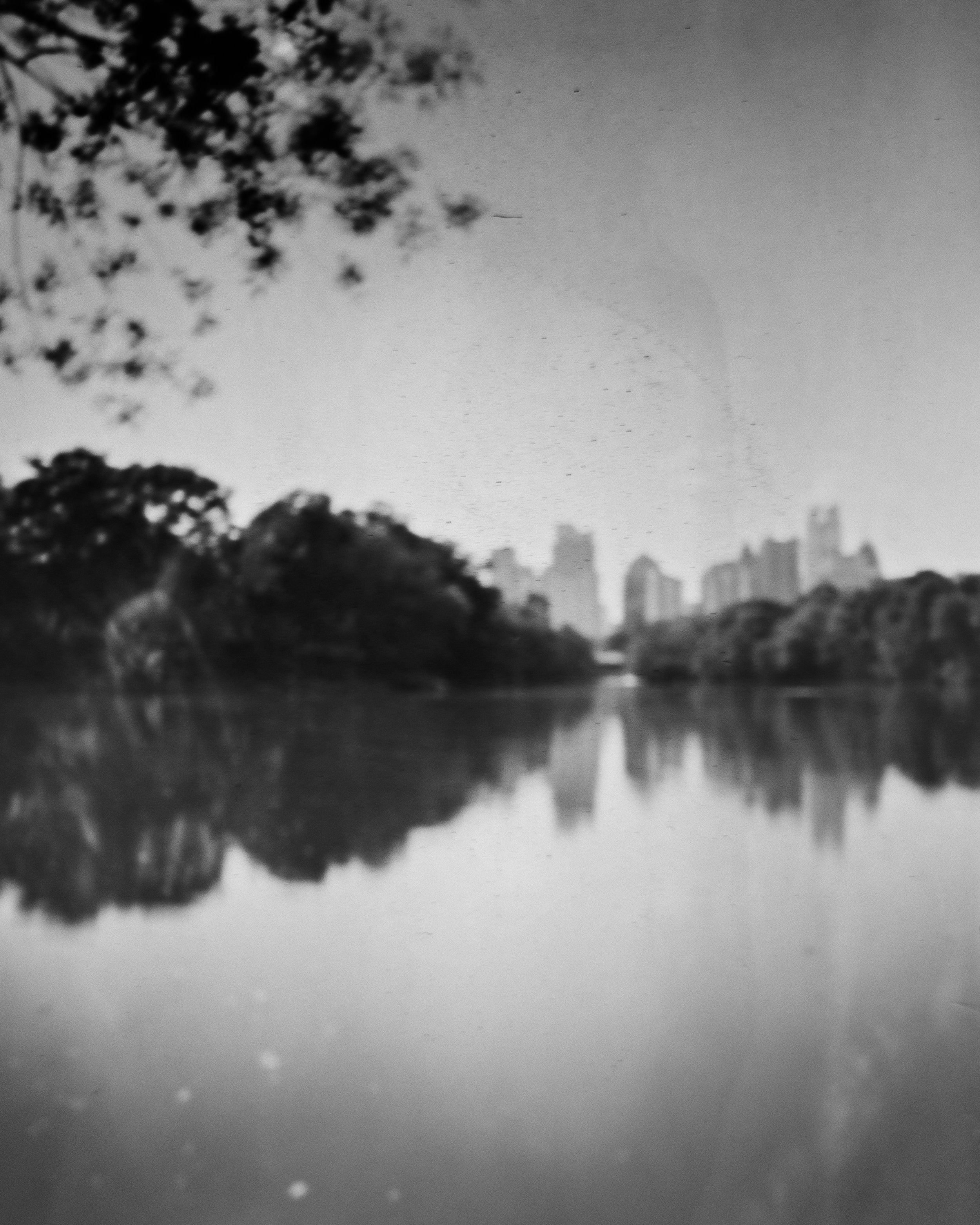
Using handmade pinhole cameras constructed from repurposed liquor bottles, I examine my history of alcoholism and the ongoing reality of sobriety through portraits of my community. These bottles, once instruments of my addiction, have become the very means through which I make photographs. They are not simply relics from the past, they are the lens through which I continue to see.
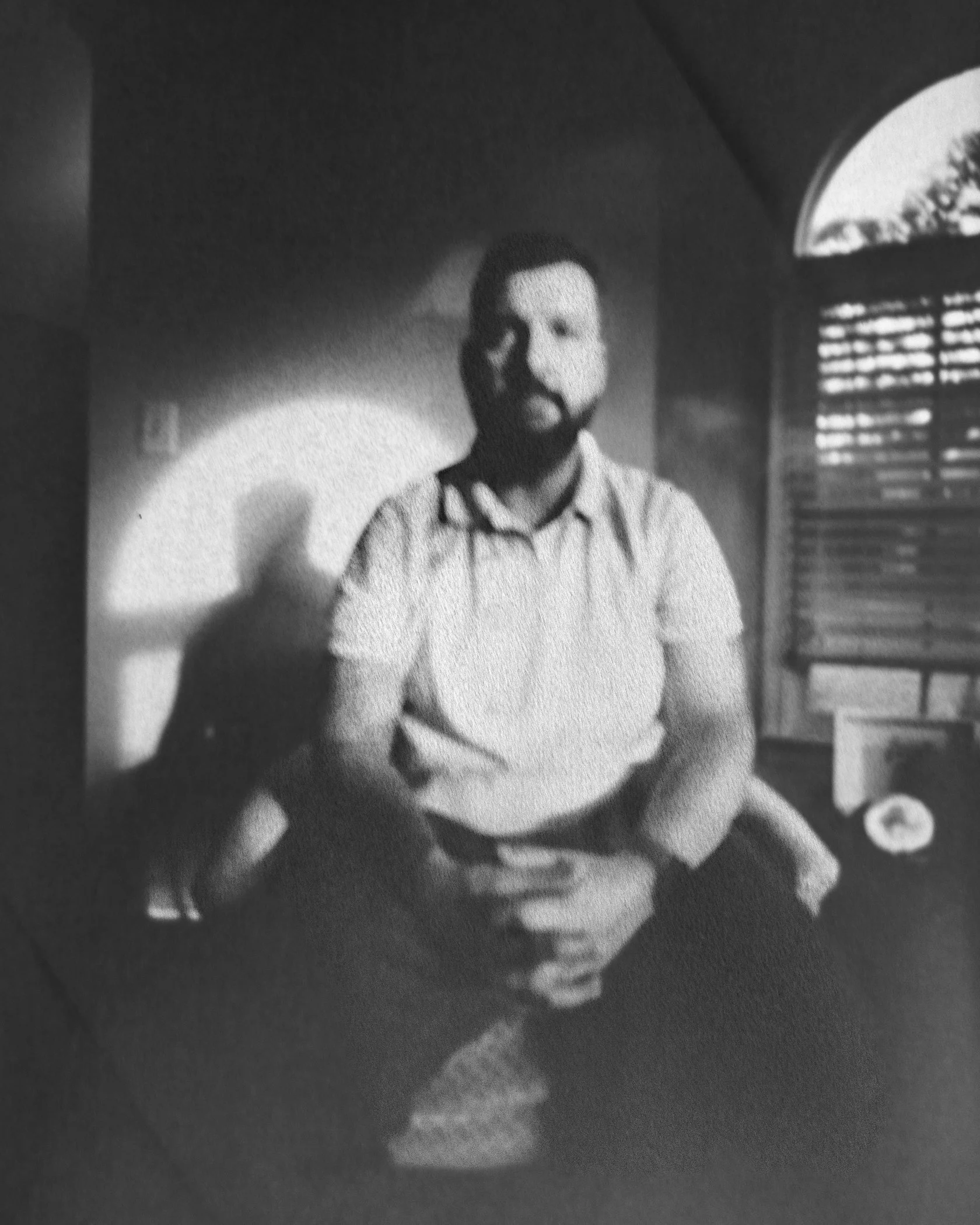
Now twelve years sober, my life is defined by a community I have both found and helped build, a network that sustains me as I sustain them. These images are portraits of that chosen family. They stand in direct contrast to the isolation I once cultivated, a loneliness that brought me to the edge of losing everything.
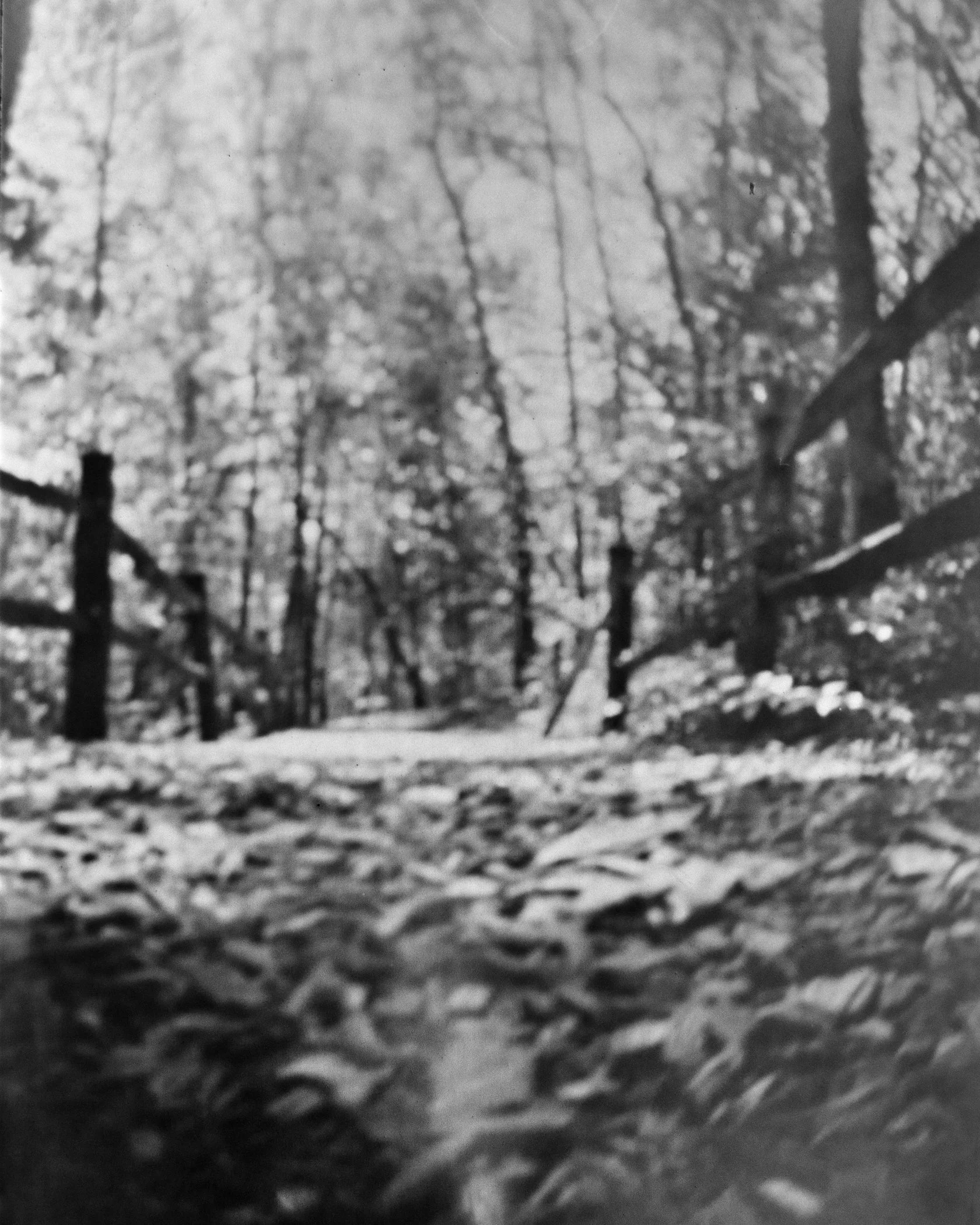
The pinhole process renders images that are inherently soft, blurred, and unpredictable. This visual language mirrors the nature of memory itself: unstable, shifting, and continually rewritten. The photographs exist in the space between clarity and distortion, much like recovery, where the past never fully disappears but can be transformed into something capable of holding connection, resilience, and hope.
Sobriety , however, does not erase the patterns of thought that shaped me. The instinct to see the world through the logic of addiction remains. Recovery has changed my life, but it has not replaced my history. I will always, in some way, see through the bottle. By transforming liquor bottles into cameras, I give physical form to that reality. Then by displaying photographs within objects that remain fragile and loaded with personal risk, I acknowledge that reality directly. The bottle becomes simultaneously a camera, archive, and display vessel. What was once an instrument of isolation is transformed into a tool for connection and community.